How to Choose a Healthy Bearded Dragon
Learn to pick a healthy bearded dragon: the signs of good health, the red flags to avoid, and the questions to ask the seller before you commit.
Choosing the right individual is one of the most important decisions you will make as a new keeper. A healthy, well-started bearded dragon gives you the best chance at an easy, rewarding decade together. A dragon that is already sick or carrying metabolic bone disease can mean stress, vet bills, and heartbreak from the start. The good news is that you can learn to read a dragon's condition quickly. This guide shows you the signs of health to look for, the red flags to walk away from, and the questions to ask before you commit.
Helpful Tools When Choosing and Starting Out
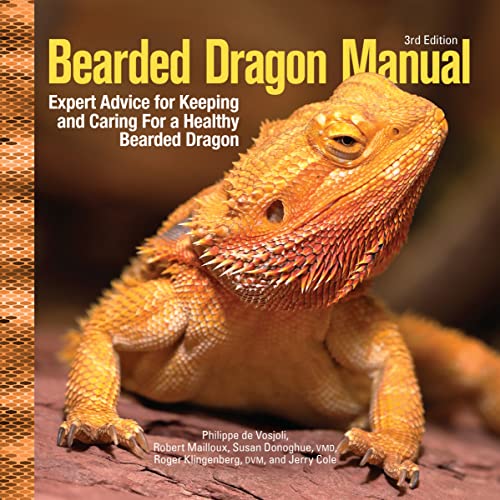
Fox Chapel Publishing Bearded Dragon Manual 3rd Edition
A thorough reference to help you evaluate health and care needs.

Texsens OLIISS Stainless Reptile Feeding Tongs
Test feeding response safely and feed gently once home.

REPTI ZOO REPTI ZOO Terrarium Thermometer Hygrometer
Confirm correct temperatures the moment your new dragon arrives.

Cididu Cididu Reptile Hide Cave
A secure hide reduces stress for a dragon settling into a new home.
As an Amazon Associate we earn from qualifying purchases at no extra cost to you. Feeding and supplement guidance here is researched care information, not veterinary advice; confirm dosing with a reptile vet.
Start by observing before you handle
Before you ever pick a dragon up, watch it for a few minutes. A healthy dragon is alert and aware of its surroundings. It may bask, look around, or react to movement near the enclosure. Note its posture. A healthy dragon lifts its body off the surface to walk, with limbs that move evenly and strongly. A dragon that lies flat, drags itself, twitches, or seems unaware of you needs a closer, more skeptical look. Watching first tells you things that handling can mask.
Signs of a healthy bearded dragon
Run through these positive signs in order. The more boxes a dragon checks, the more confident you can be.
- Alert, bright, clear eyes: fully open, not sunken, crusty, or weepy.
- Full, rounded body and tail base: a well-fed dragon has a plump body and a thick tail base, not a bony, hollow look.
- All toes and an intact tail tip: missing toes or a blackened tail tip can signal past shedding problems or injury.
- Straight, strong limbs: bones should look straight, with no bowing, swelling, or lumps.
- Clean vent: the area around the vent is clean and dry, with no stuck stool or swelling.
- Good feeding response: a healthy dragon shows interest in food and eats readily.
- Firm grip: when held gently, it grips your hand with noticeable strength.
- No stuck shed: skin is clean, with no tight rings of retained shed on toes or the tail.
Red flags to walk away from
These warning signs point to illness or poor care. One serious flag is enough reason to pass on that animal, no matter how appealing it looks.
- Lethargy: a dull, unresponsive dragon that does not react to handling or its environment.
- Sunken eyes: a classic sign of dehydration or serious illness.
- Gaping or mucus: open-mouth breathing, bubbles, or mucus around the nose or mouth can mean a respiratory infection.
- Soft, rubbery jaw or bent limbs: hallmark signs of metabolic bone disease.
- Sunken belly: a hollow, caved-in abdomen suggests dehydration or a parasite load.
- Runny stool: watery, bloody, or foul stool around the dragon or enclosure is a warning sign.
- Visible wounds or bites: often a clue that dragons were housed together, which they should not be.
Bearded Dragon Care Planner
Track your bearded dragon's health, meds, vet visits, mobility, nutrition, and quality of life, all in one printable planner.
Healthy signs versus warning signs at a glance
| Feature | Healthy sign | Warning sign |
|---|---|---|
| Eyes | Bright, clear, fully open | Sunken, crusty, or weepy |
| Body and tail base | Full and rounded | Bony, hollow, or thin |
| Limbs and jaw | Straight, strong, firm jaw | Bent limbs or soft, rubbery jaw |
| Toes and tail tip | All present and intact | Missing toes or blackened tail tip |
| Breathing | Quiet, mouth closed | Gaping, mucus, or clicking |
| Vent and stool | Clean vent, firm stool | Stuck stool, runny or bloody stool |
| Behavior | Alert, grips firmly, eats well | Lethargic, weak grip, no appetite |
Questions to ask the seller
A good seller welcomes questions and answers them clearly. Ask the dragon's age or hatch date, what it is currently eating and how often, and when it last ate and passed stool. Ask about the morph, and if you are buying from a breeder, about the parents and their health and history. Ask how long the seller has had the dragon and whether it has had any illnesses or vet care. Vague answers, evasiveness, or dragons kept together in dirty or cold conditions are all reasons to be cautious.
After you choose
Once you bring your new dragon home, give it a few quiet days to settle before heavy handling, and make sure its enclosure is already running at correct temperatures with working UVB. A fecal exam and a wellness check with a reptile vet within the first couple of weeks is one of the smartest moves you can make, since it catches parasites and early problems before they take hold. For more on finding a trustworthy source, see our guide on where to buy a bearded dragon.
The bottom line
Choosing a healthy bearded dragon is a skill you can learn in an afternoon and use for life. Observe before you handle, work through the signs of health, take any red flag seriously, and ask the seller direct questions. A little patience here pays off in years of easier care and a stronger bond. The right dragon, started well, is worth waiting for.
Editor's Pick · Affiliate link
A T5 10.0 UVB Fixture, the One Thing You Cannot Skip
Metabolic bone disease is the most common preventable illness in captive bearded dragons, and it comes down to inadequate UVB. A linear T5 tube across the basking side does what a coil bulb cannot, and the tube needs replacing roughly annually even when it still lights up.
Frequently Asked Questions
What are the signs of a healthy bearded dragon?
A healthy bearded dragon is alert and responsive, with bright, clear, fully open eyes. Its body and the base of its tail look full and rounded, not bony or sunken. It has all of its toes and an intact tail tip, straight strong limbs, and a clean vent with no stuck stool. It grips firmly when held, shows a good feeding response, and has no patches of stuck shed or visible wounds.
How can I tell if a bearded dragon is sick before buying?
Watch for red flags before you commit. Lethargy, sunken eyes, and a thin body with a bony tail base suggest poor health. Gaping, mucus, or clicking can mean a respiratory infection. A soft, rubbery jaw or bent limbs point to metabolic bone disease. A sunken belly may signal dehydration or parasites, and runny or foul stool is a warning sign. If you see these, do not buy that dragon.
What does metabolic bone disease look like in a young dragon?
Metabolic bone disease, or MBD, comes from poor calcium and UVB and is sadly common in pet-store babies. Early signs include a soft or rubbery lower jaw, swollen or bumpy leg bones, bent or bowed limbs, twitching toes, tremors, and difficulty lifting the body to walk. A dragon with these signs needs a reptile vet. Buying an MBD dragon means taking on a serious, sometimes lifelong medical condition.
What questions should I ask the seller?
Ask the dragon's hatch date or approximate age, what it is currently eating and how often, and when it last ate and passed stool. Ask about the morph and, if known, the parents and their health. Ask how long the seller has had it and whether it has had any health issues or vet care. A knowledgeable seller who answers clearly and lets you observe the dragon is a good sign.
Is it better to buy a baby or an older bearded dragon?
Both can be great, but they differ. Babies are more fragile, demanding, and harder to assess for long-term health, and they are common at large pet stores where conditions vary. A well-started juvenile or young adult from a reputable breeder is often easier to evaluate and care for, because feeding is simpler and any developmental problems are usually already visible. Choose based on your experience and the quality of the source.
Should I check the bearded dragon's poop before buying?
If you can, yes. Healthy stool is firm and brown with a white urate portion. Runny, watery, bloody, or foul-smelling stool can indicate parasites or infection. You will not always get to see it, but you can ask the seller when the dragon last went and what it looked like. Regardless of what you see, a fecal exam with a reptile vet soon after purchase is a smart first step.
Where is the best place to buy a healthy bearded dragon?
A reputable breeder or trusted reptile-focused shop is usually the best source, because the animals are typically better started and the seller can tell you about diet, age, and lineage. Rescues are another good option for giving a dragon a second home. Wherever you buy, observe the animal in person when possible and apply the health checklist in this guide before deciding. See our guide on where to buy a bearded dragon for more.
Need more help with your bearded dragon?
Browse our guides by topic to find practical solutions.
Wellness Planner: $39