Are Bearded Dragons Good Pets? Honest Pros & Cons
An honest look at whether bearded dragons make good pets: the real pros and cons, costs, time commitment, who they suit, and who should think twice.
Bearded dragons have a reputation as the perfect beginner reptile, and there is real truth to that. They are gentle, interactive, active during the day, and they can live with you for well over a decade. But the reputation also creates a myth that they are low-maintenance, and that myth leads to a lot of sick dragons and disappointed owners. The honest answer is that bearded dragons are excellent pets for the right person, and a poor fit for someone who wants no effort or no budget. This guide lays out the real pros and cons so you can decide with eyes open.
Research Before You Commit

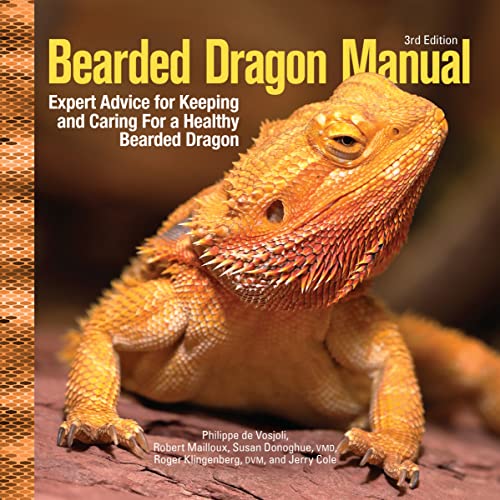
Fox Chapel Publishing Bearded Dragon Manual 3rd Edition
Detailed husbandry reference covering setup to health.

Fluker's Fluker's Bearded Dragon Deluxe Starter Kit
See what a basic supply bundle includes and costs.
As an Amazon Associate we earn from qualifying purchases at no extra cost to you. Feeding and supplement guidance here is researched care information, not veterinary advice; confirm dosing with a reptile vet.
The pros: why people love bearded dragons
There is a reason bearded dragons are among the most popular pet reptiles in the world. Their temperament and daily rhythm fit human life unusually well.
- Docile and handleable: once tamed, most dragons are calm and tolerate gentle handling, often relaxing on a shoulder or lap.
- Interactive personalities: they recognize their keepers, watch the room, and show endearing behaviors like head bobbing and arm waving.
- Diurnal: they are active during the day when you are, unlike many nocturnal reptiles, so you actually get to enjoy them.
- Hardy once set up correctly: with proper UVB, heat, and diet, they are forgiving and robust.
- Long companionship: a 10 to 15 year lifespan means a real, lasting bond.
- Great first reptile: their needs are well documented and their behavior is easy to read.
The cons: what the reputation leaves out
Every one of those pros comes with a counterweight. None of these are reasons to avoid a bearded dragon, but you should know them before you commit.
- High upfront cost: the enclosure, UVB, heating, thermostat, and decor add up fast, often more than the dragon itself.
- Ongoing electricity: heat and UVB run for many hours a day, every day, for years.
- Live insect feeding: you will keep, handle, and feed dubia roaches, crickets, or similar feeders, especially for young dragons.
- Daily salad prep: adults rely on fresh greens, which means chopping a salad most days.
- Constant husbandry: temperatures and UVB need monitoring, and bulbs need replacing every 6 to 12 months.
- Long commitment: 10 to 15 years is a serious span, and the dragon needs care the whole time.
- Vet costs: reptile vets exist for a reason, and emergencies can be expensive.
- Not low-maintenance: despite the myth, daily and weekly care is real work.
Bearded Dragon Care Planner
Track your bearded dragon's health, meds, vet visits, mobility, nutrition, and quality of life, all in one printable planner.
Pros and cons at a glance
| Pros | Cons |
|---|---|
| Docile and easy to handle | High upfront setup cost |
| Interactive, recognizes keepers | Ongoing electricity for heat and UVB |
| Active during the day | Must keep and feed live insects |
| Hardy once set up right | Daily salad prep for adults |
| 10 to 15 year companionship | 10 to 15 year commitment and vet costs |
| Excellent first reptile | Not actually low-maintenance |
Who bearded dragons suit best
A bearded dragon is a great match if you enjoy learning a hobby, can budget for a proper setup, and want a calm, interactive pet that is active when you are. They suit busy adults who can spare 15 to 30 minutes a day, families where a responsible adult owns the husbandry while kids help with feeding and handling, and anyone curious about reptiles who wants a forgiving species to start with. The daily care is light once your habits form, and the payoff is a confident animal with real personality.
Who should think twice
A bearded dragon is a poor fit if you want a truly hands-off pet, cannot stomach feeding live insects, or do not have the budget for the initial setup. They are also a tough choice if your living situation might change within the next decade in a way that makes reptile care difficult, since this is a long commitment. If the cons above feel like too much, that is useful information, not a failure. The most responsible decision is sometimes choosing a different pet.
The bottom line
Are bearded dragons good pets? For the right owner, absolutely. They are gentle, engaging, hardy, and rewarding to keep, with a personality that wins people over. The honest caveat is that the reputation as a low-effort starter pet is misleading. Budget for the setup, plan for daily care, and prepare for a 10 to 15 year relationship, and you will likely find a bearded dragon to be one of the most enjoyable pets you have owned. Go in expecting no work, and both you and the dragon will be let down.
Editor's Pick · Affiliate link
A T5 10.0 UVB Fixture, the One Thing You Cannot Skip
Metabolic bone disease is the most common preventable illness in captive bearded dragons, and it comes down to inadequate UVB. A linear T5 tube across the basking side does what a coil bulb cannot, and the tube needs replacing roughly annually even when it still lights up.
Frequently Asked Questions
Are bearded dragons good pets for beginners?
Yes, bearded dragons are widely considered one of the best beginner reptiles. They are docile, tolerant of handling, active during the day, and hardy once their setup is correct. The catch is the setup itself, which takes research and a real budget for an enclosure, UVB, and heating. A beginner who is willing to learn the husbandry up front will find a forgiving, rewarding pet. Someone expecting a no-effort animal will struggle.
Are bearded dragons low maintenance?
No, this is a common myth. Bearded dragons need daily salad prep for adults, regular feeder insects for young dragons, fresh water, spot cleaning, and constant monitoring of basking and ambient temperatures. UVB bulbs must be replaced every 6 to 12 months, and the enclosure needs deeper cleaning periodically. They are far easier than a dog in some ways, but they are not a set-and-forget pet. Plan on real daily and weekly care.
Do bearded dragons like to be held?
Many bearded dragons tolerate and even seem to enjoy gentle handling once they are tamed. They are calm by reptile standards and often relax on a warm shoulder or lap. That said, every dragon has its own personality, and trust is built slowly through short, calm sessions. Babies can be skittish at first. Move slowly, support the body fully, and let the dragon come to associate you with safety rather than threat.
How much does it cost to own a bearded dragon?
The dragon itself is often the cheapest part, frequently 40 to 100 dollars for a normal morph. The real expense is the setup: a proper enclosure, UVB, heating, a thermostat, decor, and first supplies can run roughly 300 to 600 dollars or more. Ongoing costs include feeder insects, greens, supplements, replacement UVB bulbs, electricity, and vet care. Budget for the full setup before bringing one home, not after.
How long do bearded dragons live as pets?
With good husbandry, a pet bearded dragon usually lives 10 to 15 years, and some live longer. That makes it a genuine long-term commitment, similar to a dog or cat in years. The quality of your UVB, temperatures, diet, and vet care strongly influences how long and how well your dragon lives. If a decade-plus relationship sounds appealing, a bearded dragon can be a wonderful companion for that whole stretch.
Are bearded dragons good pets for kids?
Bearded dragons can be great family pets, but an adult should own the husbandry. Kids can absolutely help feed, observe, and handle a dragon with supervision, which teaches responsibility and respect for animals. However, the temperature, UVB, and health management are too important to leave to a child alone. Treat it as a shared pet where a responsible adult guarantees the care basics and the child enjoys the rewarding parts.
What are the downsides of owning a bearded dragon?
The main downsides are the high upfront setup cost, ongoing electricity use from heat and UVB, the need to feed live insects, daily salad prep for adults, and steady maintenance of lighting and temperatures. They also live 10 to 15 years and can incur vet bills. None of this is a dealbreaker, but it is real work and real money. Going in informed is the difference between a thriving dragon and a frustrated owner.
Need more help with your bearded dragon?
Browse our guides by topic to find practical solutions.
Wellness Planner: $39