Dehydration in Bearded Dragons: Signs & Fixes
Learn to spot dehydration in bearded dragons with the skin-pinch and sunken-eye tests, how to rehydrate with baths and moist foods, and when to see a vet.
Dehydration is common in bearded dragons and easy to overlook, partly because dragons are desert animals that rarely make a fuss about drinking. Most of their water comes from food and baths rather than a bowl, so a dry diet or a hot, low-humidity enclosure can leave a dragon quietly under-hydrated. The good news is that mild dehydration is simple to spot with a couple of at-home checks and easy to correct. This guide covers the signs, the fixes, and when dehydration signals something more serious.
Hydration Helpers

Pioneer Feeders Live Hornworms (25-35 Count)
High-moisture feeders that boost water intake along with the diet.
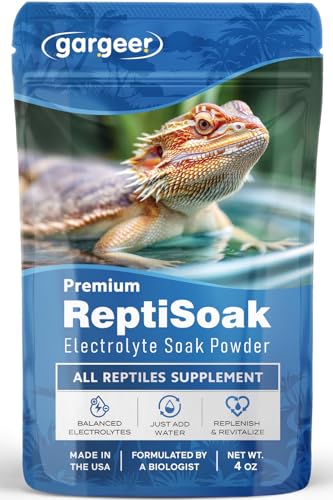
Gargeer Reptile Electrolyte Hydration Supplement
Add to water or baths to support a dragon recovering from dehydration.

JEDEW Digital Thermometer & Hygrometer (2-Pack)
Watch humidity and heat so the enclosure does not dry your dragon out.
As an Amazon Associate we earn from qualifying purchases at no extra cost to you. Feeding and supplement guidance here is researched care information, not veterinary advice; confirm dosing with a reptile vet.
How dragons stay hydrated
In the wild, bearded dragons get water mostly from the moisture in their food, from dew, and from the occasional drink. They are not built to seek out and drink from a standing pool, and many captive dragons ignore a water bowl entirely or fail to recognize still water as a drink. That is why hydration in captivity comes primarily from a moist diet and regular warm baths. A clean, shallow water dish should still be offered, but do not rely on it as your dragon’s main water source.
Signs of dehydration
- Sunken or wrinkled eyes
- Loose, wrinkled skin that does not snap back when gently pinched
- A sticky or dry mouth and thick, stringy saliva
- Reduced, very dark, or dry stool
- Lethargy and loss of appetite
- Dull skin or difficulty shedding
Two quick at-home tests help. The skin-pinch test: gently pinch the loose skin on the dragon’s side; in a hydrated dragon it springs back instantly, while in a dehydrated one it stays tented for a moment. And simply checking the eyes for a sunken look. One mild sign may be nothing, but several together point to dehydration.
What causes it
Dehydration usually comes from one or more of these: a diet too low in moisture, no water access or a dragon that will not drink, very low humidity, excessive heat without a chance to recover, or illness such as parasite-driven diarrhea that drains fluids. Older dragons can become dehydrated from kidney issues. Importantly, dehydration often tags along with another illness, so a dragon that suddenly looks dehydrated and unwell may have an underlying problem worth a vet visit.
How to rehydrate your dragon
For mild dehydration, simple steps usually do the job:
- Warm baths: 15 to 20 minutes at 95 to 100F, two to three times a week or more during recovery. Many dragons drink while soaking.
- Moist foods: increase hydrating greens like collard and mustard greens, plus squash and high-water feeders such as hornworms.
- Direct offering: drip clean water near the mouth or offer it from a spoon; never squirt forcefully into the mouth, which risks aspiration.
- Electrolytes: a reptile electrolyte supplement in water or a bath can support recovery.
Bearded Dragon Care Planner
Track your bearded dragon's health, meds, vet visits, mobility, nutrition, and quality of life, all in one printable planner.
Prevention
| Factor | Target or action |
|---|---|
| Diet moisture | Regular hydrating greens and occasional hornworms |
| Baths | Warm soaks two to three times a week |
| Humidity | Keep around 30 to 40 percent, not bone dry |
| Water access | Clean shallow bowl available on the cool side |
| Heat | Correct gradient so the dragon can cool and recover |
When to see a vet
Mild dehydration corrects easily at home, but get reptile veterinary help if your dragon shows strong signs such as deeply sunken eyes, skin that stays tented after a pinch, refusal to eat, and marked lethargy, or if dehydration comes alongside diarrhea or other illness. A vet can administer fluids directly and investigate any underlying cause. Staying ahead of hydration with a moist diet and regular baths keeps most dragons from ever reaching that point.
Editor's Pick · Affiliate link
A T5 10.0 UVB Fixture, the One Thing You Cannot Skip
Metabolic bone disease is the most common preventable illness in captive bearded dragons, and it comes down to inadequate UVB. A linear T5 tube across the basking side does what a coil bulb cannot, and the tube needs replacing roughly annually even when it still lights up.
Frequently Asked Questions
How can I tell if my bearded dragon is dehydrated?
Common signs include sunken or wrinkled eyes, loose or wrinkled skin that does not snap back when gently pinched, a sticky or dry mouth, thick stringy saliva, reduced or very dark and dry stool, lethargy, loss of appetite, and skin that looks dull or has trouble shedding. A quick skin-pinch test on the side, where the skin should spring back, is a useful at-home check. Several signs together point clearly to dehydration.
How do bearded dragons get water?
Dragons get most of their water from food, especially moisture-rich greens and high-water feeders like hornworms, plus what they absorb during baths and the occasional drink. As desert animals they often will not drink from a standing bowl and may not recognize still water. That is why hydration comes mostly from diet and bathing rather than relying on a water dish, though a clean shallow bowl should still be available.
How do I rehydrate a dehydrated bearded dragon?
Offer warm baths at around 95 to 100F for 15 to 20 minutes, which let the dragon soak and often drink; many dragons lap water during a bath. Increase hydrating foods like collard greens, squash, and hornworms. You can drip water near the mouth or offer it from a spoon or syringe gently, and a reptile electrolyte supplement can help during recovery. For moderate to severe dehydration, see a reptile vet, who can give fluids directly.
What causes dehydration in bearded dragons?
Causes include a diet too low in moisture, no access to water or a setup where the dragon will not drink, humidity that is far too low, excessive heat without recovery, illness such as diarrhea from parasites, and conditions like kidney problems in older dragons. Dehydration also commonly accompanies other illnesses, so a dragon that is suddenly dehydrated may have an underlying problem worth investigating with a vet.
Should I let my bearded dragon drink bath water?
Baths are a useful hydration tool and many dragons do drink during them, which is fine as long as the water is clean and at a safe warm temperature. Keep baths shallow, no deeper than the dragon’s shoulders or elbows, supervise the whole time, and change the water if the dragon defecates, which they often do in warm baths. Do not add soap. Two or three baths a week support hydration and shedding for most dragons.
Can dehydration be serious?
Yes. Mild dehydration is easily corrected with baths and a moist diet, but ongoing or severe dehydration stresses the kidneys and whole body, worsens shedding and digestion, and can become dangerous, especially when it accompanies another illness. If your dragon shows strong signs like deeply sunken eyes, skin that stays tented after a pinch, refusal to eat, and marked lethargy, treat it as urgent and seek reptile veterinary care for fluids.
How often should I bathe my bearded dragon for hydration?
For most healthy dragons, two to three warm baths a week support hydration and help with shedding, though needs vary with diet and environment. A dragon eating plenty of moisture-rich greens and the occasional hornworm may need fewer, while a dry feeder or one recovering from dehydration may benefit from more frequent soaks. Watch your dragon’s hydration signs and adjust. Always supervise baths and keep the water clean and warm.
Need more help with your bearded dragon?
Browse our guides by topic to find practical solutions.
Wellness Planner: $39