Adenovirus in Bearded Dragons (ADV)
Adenovirus (ADV) is a contagious, incurable virus in bearded dragons. Learn the signs, how it spreads, supportive care, testing, and prevention through quarantine.
Adenovirus, usually written as ADV and sometimes called Atadenovirus, is a contagious viral infection that affects bearded dragons. Unlike most dragon health problems, it is not caused by husbandry mistakes, and there is no cure. That combination makes it different from conditions like MBD or impaction: you cannot simply fix the environment to clear it. Instead, the keys are keeping the virus out of your collection through testing and quarantine, and giving supportive care to dragons that carry it. This guide explains what ADV is, how to recognize it, and how to protect your animals.
Supportive Care and Hygiene

JEDEW Digital Thermometer & Hygrometer (2-Pack)
Dialed-in conditions reduce stress and support an infected or at-risk dragon.
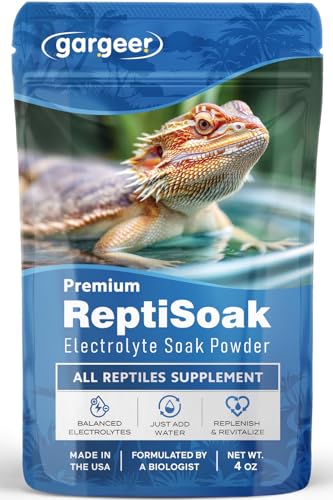
Gargeer Reptile Electrolyte Hydration Supplement
Supportive hydration for a dragon under veterinary care for ADV.
Reptile-Safe Enclosure Disinfectant
Strict disinfection between animals helps prevent the virus from spreading.
As an Amazon Associate we earn from qualifying purchases at no extra cost to you. Feeding and supplement guidance here is researched care information, not veterinary advice; confirm dosing with a reptile vet.
What adenovirus is
Adenovirus is a virus that infects the cells of the liver and digestive tract, and sometimes the nervous system. It is widespread in captive bearded dragon populations, partly because infected dragons can carry and shed it while looking perfectly healthy. The virus is most devastating in hatchlings and juveniles, where it can cause failure to thrive and sudden death, which is why it is sometimes nicknamed wasting disease or, for its neurological posture, stargazing disease. Adult dragons may carry it for years with only mild or intermittent signs.
Signs to watch for
Because the virus affects several body systems, signs are variable and overlap with other illnesses:
- Poor appetite and failure to grow or thrive, especially in young dragons
- Weight loss, wasting, and a thin, run-down appearance
- Lethargy and weakness
- Diarrhea or abnormal stool
- Neurological signs: tremors, head tilting or twisting, and a stargazing upward-gazing posture
- Increased vulnerability to secondary infections like coccidia or mouth rot
Many carriers show only vague symptoms until stress or another illness tips them into visible disease. Any unexplained wasting or neurological sign deserves a reptile vet workup.
How it spreads
Adenovirus passes mainly through contact with infected feces and secretions, and via contaminated equipment, surfaces, and hands. The silent shedding by apparently healthy carriers is what lets it move undetected through breeding operations and pet collections. This is the core reason for two non-negotiable practices: quarantine every new dragon, and never house dragons together. Strict hygiene, including hand-washing and disinfection between handling different animals, limits transmission within a household.
Diagnosis and supportive care
A reptile vet can test for adenovirus, most often with a PCR test on feces or a cloacal swab that detects viral DNA. Because shedding is intermittent, a single negative test does not completely rule it out, so testing is most reliable when combined with quarantine and repeat sampling. There is no antiviral cure. Care is supportive and aims to keep the dragon strong: fluids and assisted feeding for those that are wasting, prompt treatment of secondary infections, excellent husbandry, and minimized stress. With good support, some carriers do well for years; severe cases, particularly in the young, can still be fatal.
Bearded Dragon Care Planner
Track your bearded dragon's health, meds, vet visits, mobility, nutrition, and quality of life, all in one printable planner.
Prevention is everything
Since there is no cure, keeping adenovirus out of your collection is the real goal:
| Practice | Why it matters |
|---|---|
| Buy from testing breeders | Reduces the chance of bringing in a carrier |
| Quarantine new dragons | Isolates potential carriers from your other animals |
| PCR test new arrivals | Helps detect infection before contact |
| Never house dragons together | Stops direct transmission, and is best practice anyway |
| Hand-washing and disinfection | Prevents you from carrying the virus between animals |
The bottom line
Adenovirus is a sobering condition because it is contagious, often invisible, and has no cure, but it is very manageable with the right habits. Source carefully, quarantine and test new dragons, keep each dragon housed alone, and practice strict hygiene. For a dragon that does carry the virus, excellent husbandry, low stress, and supportive veterinary care give it the best possible quality and length of life.
Editor's Pick · Affiliate link
A T5 10.0 UVB Fixture, the One Thing You Cannot Skip
Metabolic bone disease is the most common preventable illness in captive bearded dragons, and it comes down to inadequate UVB. A linear T5 tube across the basking side does what a coil bulb cannot, and the tube needs replacing roughly annually even when it still lights up.
Frequently Asked Questions
What is adenovirus in bearded dragons?
Adenovirus, often called Atadenovirus or simply ADV, is a contagious virus that infects bearded dragons. It primarily attacks the liver and digestive tract and can also affect the nervous system. It is most dangerous in hatchlings and juveniles, where it can cause sudden death, and is sometimes called "stargazing disease" or "wasting disease." There is no cure, so prevention through testing and quarantine is the key to managing it.
What are the signs of adenovirus?
Signs vary and overlap with other illnesses. Common ones include poor appetite, failure to grow or thrive in young dragons, weight loss and wasting, lethargy and weakness, diarrhea, and a generally unthrifty look. Neurological signs can appear, such as tremors, tilting or twisting of the head and neck, and a stargazing posture where the dragon looks upward abnormally. Many infected dragons show vague symptoms or none until stressed by another problem.
How does adenovirus spread?
Adenovirus spreads mainly through contact with infected feces and bodily secretions, and through contaminated equipment, hands, and surfaces. Carrier dragons can shed the virus while appearing healthy, which is how it moves quietly through collections and between breeders. Because of this silent shedding, any new dragon should be quarantined and ideally tested, and strict hygiene between animals is essential. Stress can worsen disease in an infected dragon.
Can adenovirus be cured or treated?
There is no cure and no specific antiviral treatment for adenovirus. Care is supportive: a reptile vet can provide fluids, assisted feeding, treatment of secondary infections, optimal husbandry, and reduced stress to give the dragon the best chance. Some dragons live for years as carriers with good supportive care, while severe cases, especially in the young, can be fatal. Because treatment is limited, prevention and not spreading it are the priorities.
How is adenovirus diagnosed?
A reptile vet can test for adenovirus, commonly with a PCR test on a fecal sample or cloacal swab to detect viral DNA, though intermittent shedding means a single negative does not fully rule it out. Bloodwork and other diagnostics help assess liver and overall health. In dragons that die, a postmortem exam can confirm it. Testing new and breeding animals is the most useful application, helping keepers avoid introducing the virus.
How do I protect my bearded dragon from adenovirus?
Buy from breeders who test for and work to keep adenovirus out of their lines, quarantine every new dragon for several weeks with dedicated equipment, and consider PCR testing new arrivals. Never house dragons together, practice strict hand-washing and disinfection between animals, and keep husbandry excellent to minimize stress. Since there is no cure, keeping the virus out of your collection in the first place is by far the most effective strategy.
Is adenovirus dangerous to other pets or people?
Bearded dragon adenovirus is specific to reptiles and is not known to infect humans, dogs, or cats, so it is not a zoonotic worry. It is, however, very much a threat to other bearded dragons and potentially some other reptiles, which is why quarantine and hygiene matter so much. As always with reptiles, the separate concern of Salmonella means you should wash your hands after any contact regardless of adenovirus status.
Need more help with your bearded dragon?
Browse our guides by topic to find practical solutions.
Wellness Planner: $39