Finding a Reptile Vet for Your Bearded Dragon
How to find a qualified reptile vet for your bearded dragon: where to search, what to ask, when to go, what to bring, and how to transport your dragon safely.
One of the most overlooked parts of bearded dragon ownership is lining up a qualified reptile vet before you need one. Reptiles hide illness until it is advanced, and most general clinics are not equipped to treat them, so knowing where to turn in an emergency can save your dragon's life. This guide explains how to find a good reptile vet, when to go, and how to make each visit count.
Vet Visit Essentials

WEVONIGU Bearded Dragon Travel Carrier
A secure, ventilated carrier to transport your dragon safely to the vet.

Exo Terra Reptile Faunarium Carrier
A ventilated plastic terrarium that doubles as a safe transport container.

Novique Reptile Thermometer and Humidity Gauge
Bring husbandry data to the vet by tracking your enclosure temps and humidity.
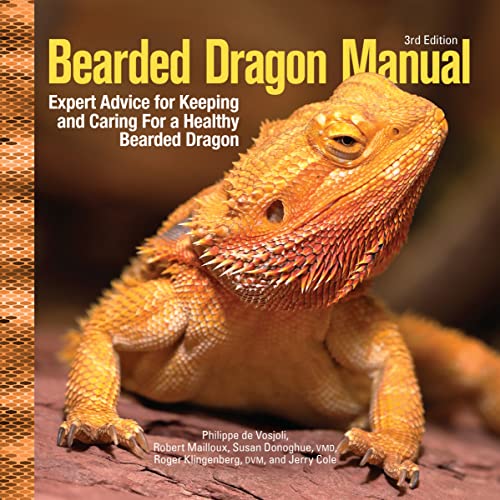
CompanionHouse Books Bearded Dragon Manual (3rd Edition)
A care reference to help you recognize symptoms and prepare for vet visits.
As an Amazon Associate we earn from qualifying purchases at no extra cost to you. Feeding and supplement guidance here is researched care information, not veterinary advice; confirm dosing with a reptile vet.
Why a reptile-specific vet matters
Bearded dragons have physiology, dosing, and disease patterns that differ greatly from cats and dogs, and many of their illnesses trace back to husbandry. A vet who genuinely specializes in reptiles or exotics can recognize conditions like metabolic bone disease, impaction, or parasites that a general practitioner might miss, and can connect symptoms to setup problems. Choosing a reptile-experienced vet is not a luxury, it is the difference between accurate, effective care and guesswork.
Where to look
Start by searching for veterinarians who list reptiles or exotics as a specialty rather than assuming any clinic will do. Look for members of the Association of Reptilian and Amphibian Veterinarians, ask local reptile keepers, breeders, and herpetological societies for referrals, and read reviews from other reptile owners. Online keeper communities often maintain regional vet recommendations. Always call ahead to confirm the clinic regularly sees bearded dragons, not just the occasional one.
Establish care before an emergency
The best time to find a vet is before your dragon is sick. Schedule a wellness exam soon after bringing a dragon home, especially a rescue with unknown history, so you have an established relationship and a baseline of health. When an emergency strikes, you will already know where to go and the clinic will already have your dragon's records. This preparation removes panic and delay from a stressful situation.
Bearded Dragon Care Planner
Track your bearded dragon's health, meds, vet visits, mobility, nutrition, and quality of life, all in one printable planner.
When to go
Plan an annual wellness exam for a healthy adult, ideally with a fecal test for parasites, plus that first checkup for any new dragon. Beyond routine care, see the vet promptly for warning signs: lethargy, refusing food, weight loss, a soft or swollen jaw, trembling, swelling, difficulty moving, prolapse, or trouble passing waste. Because dragons mask illness, do not wait and see for long, since early treatment is usually easier, cheaper, and more successful.
What to bring
Make each visit productive by bringing your dragon in a secure, warm carrier, a fresh fecal sample if you can, and detailed husbandry notes: enclosure size, basking and cool temperatures, UVB bulb type and age, diet, supplement schedule, and a timeline of symptoms. Photos or videos of concerning behavior help. Since so many dragon problems are husbandry-related, this information often points directly to the root cause and lets the vet help faster.
Transporting your dragon safely
Reptiles are sensitive to cold, so keep your dragon warm on the way to the clinic. Use a secure, ventilated carrier with a soft liner, and in cold weather add gentle warmth such as a wrapped hand warmer kept away from direct contact to avoid burns. Keep the carrier calm and dim to reduce stress, secure it in the car, and never leave the dragon in a hot or cold vehicle. A safe trip starts the visit on the right foot.
Final thoughts
Finding a qualified reptile vet is one of the most responsible things you can do as a bearded dragon keeper. Locate one early, establish care with a wellness exam, keep good husbandry records, and act quickly when something seems off. Combined with correct UVB, heat, diet, and a safe enclosure, a trusted vet relationship gives your dragon the best chance at a long, healthy life.
Editor's Pick · Affiliate link
A T5 10.0 UVB Fixture, the One Thing You Cannot Skip
Metabolic bone disease is the most common preventable illness in captive bearded dragons, and it comes down to inadequate UVB. A linear T5 tube across the basking side does what a coil bulb cannot, and the tube needs replacing roughly annually even when it still lights up.
Frequently Asked Questions
Do bearded dragons need to see a vet?
Yes. Bearded dragons benefit from a wellness checkup with a reptile-experienced vet soon after you bring one home and roughly once a year afterward, plus prompt visits whenever something seems wrong. Reptiles hide illness well, so a yearly exam, including a fecal check for parasites, can catch problems early. Establishing a relationship with a vet before an emergency means you already know where to go when your dragon is sick, which can save critical time.
How do I find a reptile vet near me?
Search for a veterinarian who lists reptiles or exotics as a specialty, since most general small-animal clinics do not treat them well. Look for members of the Association of Reptilian and Amphibian Veterinarians, ask local reptile keepers and herp societies for referrals, and check reviews from other reptile owners. Call ahead to confirm the clinic regularly sees bearded dragons. Finding and saving a qualified reptile vet before you need one is one of the most important steps a new keeper can take.
What is the difference between a reptile vet and a regular vet?
A reptile or exotics vet has specific training and experience in reptile anatomy, husbandry-related disease, dosing, and diagnostics, while a general small-animal vet is trained primarily for cats and dogs. Reptiles have very different physiology, and many illnesses trace back to husbandry, so an experienced reptile vet can spot problems a general vet might miss. For a bearded dragon, always seek a vet who genuinely sees reptiles regularly rather than one who treats them only occasionally.
How often should a bearded dragon have a checkup?
A healthy adult bearded dragon should have a wellness exam about once a year, ideally including a fecal test for parasites. Schedule an initial checkup soon after acquiring a new dragon, especially a rescue or one with unknown history. Beyond the annual visit, see the vet promptly for any signs of illness such as lethargy, not eating, weight loss, soft jaw, swelling, or difficulty moving. Regular checkups catch problems early, when they are easier and cheaper to treat.
What should I bring to a bearded dragon vet visit?
Bring your dragon in a secure, warm travel carrier, a fresh fecal sample if possible, and notes on your husbandry: enclosure size, basking and cool temperatures, UVB bulb type and age, diet, supplement schedule, and any symptoms with dates. Photos or videos of concerning behavior help too. Because so many dragon illnesses stem from husbandry, this information lets the vet diagnose accurately and may reveal a setup issue that is the real root of the problem.
How do I transport a bearded dragon to the vet safely?
Use a secure, ventilated travel carrier and keep the dragon warm during the trip, since cold stresses reptiles. A small insulated container or carrier with a soft liner works well, and in cold weather a hand warmer placed safely outside the dragon's direct contact, wrapped to avoid burns, helps maintain temperature. Keep the carrier calm and dark to reduce stress, secure it in the car, and avoid leaving the dragon in a hot or cold vehicle.
Need more help with your bearded dragon?
Browse our guides by topic to find practical solutions.
Wellness Planner: $39