Adopting a Rescue Bearded Dragon
A guide to adopting a rescue bearded dragon: where to find one, health signs to check, the setup it needs, settling-in time, and how to give a second-chance dragon a great life.
Adopting a rescue bearded dragon is a deeply rewarding way to bring a reptile into your life. You give a home to a dragon that needs one, often at a lower cost than buying from a breeder, and many rescues include supplies. Rescues do sometimes arrive with husbandry-related health issues, but with proper care most recover beautifully. This guide walks you through adopting, assessing, and rehabilitating a second-chance dragon.
Rescue Setup Essentials
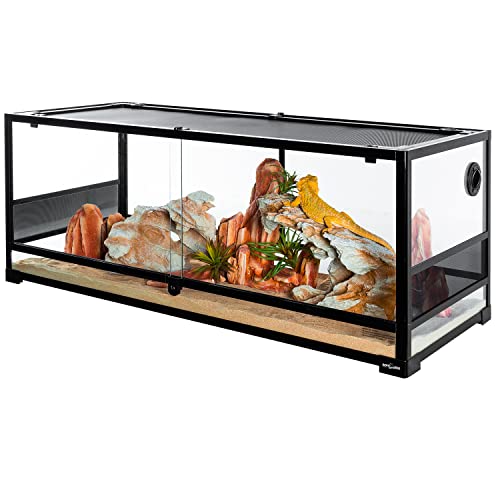
REPTI ZOO Extra-Long 48-inch Glass Terrarium
Give your rescue a proper, spacious home with a clear temperature gradient.

Zoo Med T5 HO ReptiSun 10.0 UVB Lamp (2-Pack)
Rescues often arrive with old UVB; a fresh bulb is vital for recovery.

Zoo Med Reptile Calcium with Vitamin D3
Supports bone recovery in dragons that came from poor husbandry.

WEVONIGU Bearded Dragon Travel Carrier
Transport your new rescue safely to its first vet checkup.
As an Amazon Associate we earn from qualifying purchases at no extra cost to you. Feeding and supplement guidance here is researched care information, not veterinary advice; confirm dosing with a reptile vet.
Where to find a rescue dragon
Start with reptile rescues, exotic animal sanctuaries, herpetological societies, and reptile-savvy shelters, along with rehoming listings from local keepers. Online reptile groups and forums often connect dragons in need with adopters nearby. Work with a rescue that can share the dragon's history and health status rather than making an impulse decision. A reputable rescue wants the adoption to succeed and will help match you with a dragon that fits your experience level.
What to check before adopting
Ask about the dragon's age, history, diet, and any known health problems, and examine it for warning signs. Look for a soft or swollen jaw, bent limbs, or trembling that can indicate metabolic bone disease, plus sunken eyes, retained shed, mites, weight loss, or lethargy. Find out what husbandry it had, since many rescues come from poor setups with inadequate UVB or wrong temperatures. Knowing the dragon's condition helps you prepare the right care and budget for any treatment.
Common rescue health issues
Because rescues often come from inadequate conditions, they may arrive with metabolic bone disease, parasites, retained shed, obesity or being underweight, or general stress. None of this should scare you off. With correct husbandry, many rescue dragons recover remarkably well. The key is to identify problems early, so schedule a vet exam soon after adoption and fix husbandry gaps right away, starting with a proper UVB bulb and correct temperatures.
Bearded Dragon Care Planner
Track your bearded dragon's health, meds, vet visits, mobility, nutrition, and quality of life, all in one printable planner.
Setting up for a rescue
A rescue needs the same correct setup as any dragon, and getting it right matters even more for recovery. Provide a 40-gallon-breeder minimum or larger, a T5 HO 10.0 UVB bulb, a basking spot of 95 to 110F with a 75 to 85F cool side, solid substrate like tile, hides, and a correct diet. If the dragon comes with old or wrong equipment, replace it, especially the UVB bulb, since UVB fades over time and is critical for rebuilding bone health.
Settling in and building trust
Give your rescue several weeks to adjust. At first it may hide, eat little, or seem stressed, which is normal. Keep the enclosure correct and quiet, offer food daily, and limit handling early on to short, gentle sessions once the dragon seems comfortable. Consistency and patience build trust over time. Most rescue dragons relax, eat well, and become engaged within weeks to a few months as they realize they are safe.
The reward of adoption
Watching a rescue dragon transform from a stressed, undernourished animal into a healthy, basking, food-motivated pet is one of the most satisfying experiences in the hobby. Adoption can be a great choice even for beginners, as long as you commit to learning proper husbandry and budget for a vet visit. Prepare a correct setup before the dragon arrives, plan that checkup, and you give a deserving dragon a happy second chapter.
Editor's Pick · Affiliate link
A T5 10.0 UVB Fixture, the One Thing You Cannot Skip
Metabolic bone disease is the most common preventable illness in captive bearded dragons, and it comes down to inadequate UVB. A linear T5 tube across the basking side does what a coil bulb cannot, and the tube needs replacing roughly annually even when it still lights up.
Frequently Asked Questions
Where can I adopt a rescue bearded dragon?
Look to reptile rescues and exotic animal sanctuaries, herpetological societies, reptile-savvy shelters, and rehoming listings from local keepers. Online groups and forums often connect dragons in need of homes with adopters in your area. Avoid impulse buys and instead work with a rescue that can share the dragon's history and health status. Adopting gives a home to a dragon that needs one, often costs less than buying from a breeder, and many rescues include some supplies.
What should I check before adopting a rescue dragon?
Ask about the dragon's age, history, diet, and any known health issues, and look it over for warning signs: a soft or swollen jaw, bent limbs or trembling that suggest metabolic bone disease, sunken eyes, retained shed, mites, weight loss, or lethargy. Find out what husbandry it had, since many rescues come from poor setups. Plan a vet checkup soon after adoption. Knowing the dragon's condition up front helps you prepare the right care and budget for any treatment.
Do rescue bearded dragons have health problems?
Many do, because they often come from inadequate setups with poor UVB, wrong temperatures, or improper diet. Common issues include metabolic bone disease, parasites, retained shed, obesity or being underweight, and stress. The good news is that with correct husbandry, many rescue dragons recover well. Schedule a vet exam soon after adopting, fix any husbandry gaps such as installing a proper T5 HO UVB bulb, and give the dragon time and patience to rehabilitate in a healthy environment.
How long does it take a rescue dragon to settle in?
Give a rescue dragon several weeks to adjust to its new home before expecting normal behavior. At first it may hide, eat little, or seem stressed, which is normal as it acclimates. Keep the enclosure correct and quiet, offer food daily, and limit handling early on to short, gentle sessions once the dragon seems comfortable. Consistency and patience build trust. Over weeks to a few months, most rescue dragons relax, eat well, and become engaged, rewarding pets.
What setup does a rescue bearded dragon need?
A rescue needs the same proper setup as any dragon: a 40-gallon-breeder minimum or larger, a T5 HO 10.0 UVB bulb, a basking spot of 95 to 110F with a 75 to 85F cool side, solid substrate like tile, hides, and a correct diet. Because rescues often come from poor conditions, getting these right is especially important for recovery. If the dragon arrives with old or wrong equipment, replace it, particularly the UVB bulb, which fades and is critical for bone health.
Is adopting a bearded dragon a good idea for beginners?
Adopting can be a great choice for beginners as long as you commit to learning proper husbandry and budgeting for a vet visit, since rescues may need some rehabilitation. You get a dragon that needs a home, often with some supplies included, and the satisfaction of giving it a better life. Start by studying care basics, prepare a correct setup before the dragon arrives, and plan a vet checkup. With preparation, a rescue dragon can be a wonderful first reptile.
Need more help with your bearded dragon?
Browse our guides by topic to find practical solutions.
Wellness Planner: $39