Traveling With a Bearded Dragon: Safe Tips
How to travel with a bearded dragon: choosing a carrier, keeping it warm, car and air travel, what to pack, and when a sitter is the safer choice.
Whether you are moving across town, heading to the vet, or taking your dragon along on a road trip, traveling with a bearded dragon takes a little planning. Dragons are cold-blooded, so the central challenge is keeping them at a safe, steady temperature outside their carefully controlled enclosure, while also keeping them secure, calm, and hydrated. Done thoughtfully, a healthy adult dragon handles travel well. This guide covers choosing a carrier, keeping your dragon warm, the realities of car and air travel, what to pack, and how to decide between bringing your dragon along or leaving it with a sitter.
Travel Gear for Your Dragon
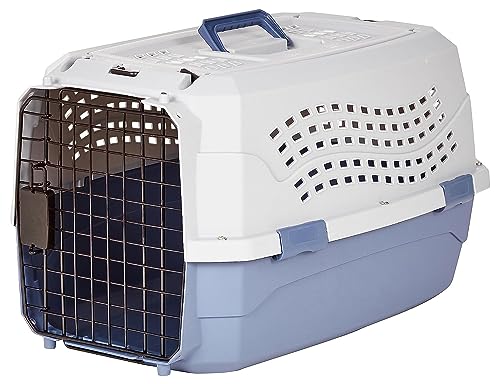
Amazon Basics Hard-Sided Travel Carrier
Ventilated, escape-proof carrier for safe car transport.



Exo Terra Mini Mister Spray Bottle
Quick hydration spritz for greens and droplets at stops.
As an Amazon Associate we earn from qualifying purchases at no extra cost to you. Feeding and supplement guidance here is researched care information, not veterinary advice; confirm dosing with a reptile vet.
Choosing a travel carrier
A good travel carrier is small enough to feel secure, well ventilated, and impossible to escape from. A hard-sided pet carrier or a ventilated plastic tub works well. Line it with a towel or paper towels for grip and easy cleanup, and keep it on the smaller side, since a vast empty space lets a dragon slide around and feel exposed. A snug, enclosed carrier actually calms most dragons. Make sure it latches securely and that the dragon cannot wedge a claw into a vent and injure itself.
Keeping your dragon warm
Temperature is the make-or-break factor in reptile travel, because a chilled dragon cannot digest or function properly and an overheated one can die quickly. Keep these principles in mind:
- In the car, use the heater to hold a comfortable cabin temperature and keep the carrier out of direct airflow and direct sun.
- In cold weather, add a 72-hour shipping heat pack near, never against, the carrier, with a towel as a buffer, inside an insulated container.
- Always monitor with a thermometer, since both chilling and overheating are dangerous.
- Never leave a dragon in a parked car, which can overheat or chill to deadly extremes in minutes.
The goal is a steady, comfortable warmth for the whole trip, not a basking-hot carrier. Check on the dragon at stops and adjust as conditions change.
Car versus air travel
For most journeys, driving is the easiest and least stressful way to travel with a dragon, because you control the temperature and can stop to check on it. Air travel is a different story. Most airlines restrict or prohibit reptiles in the cabin and hold, and policies vary widely, so if you must fly you need to contact the airline well in advance, ask about any health-certificate requirements, and check your destination's rules. For many trips, the honest answer is that flying is more trouble and more stress than it is worth, and driving or a sitter is the kinder option.
Bearded Dragon Care Planner
Track your bearded dragon's health, meds, vet visits, mobility, nutrition, and quality of life, all in one printable planner.
What to pack
A little preparation keeps your dragon comfortable on the road. Pack the essentials below.
| Item | Purpose |
|---|---|
| Ventilated carrier and liner | Secure, comfortable transport |
| Thermometer and heat packs | Monitor and maintain warmth |
| Greens and a few feeders | Light feeding at the destination |
| Shallow water dish and mister | Hydration at stops |
| Portable UVB and basking lamp | Proper light and heat for overnight trips |
For any overnight or multi-day trip, plan to set up a proper warm, UVB-lit habitat each night so your dragon can bask, eat, and recover rather than living in the carrier.
Travel or sitter?
Finally, decide honestly whether your dragon should come along at all. Short drives and moves are manageable with a warm, secure setup. But for flights, very long trips, or short vacations, a trusted pet sitter who can keep the temperatures, UVB, and feeding schedule going at home is often far less stressful than dragging a temperature- sensitive reptile across the country. Babies and unwell dragons in particular travel poorly and are usually better off at home. Weigh the length and nature of the trip against your dragon's tolerance, and when in doubt, keep its world stable. A calm dragon in a familiar enclosure is almost always a happier dragon than one on the road.
Editor's Pick · Affiliate link
A T5 10.0 UVB Fixture, the One Thing You Cannot Skip
Metabolic bone disease is the most common preventable illness in captive bearded dragons, and it comes down to inadequate UVB. A linear T5 tube across the basking side does what a coil bulb cannot, and the tube needs replacing roughly annually even when it still lights up.
Frequently Asked Questions
How do I travel with a bearded dragon by car?
For car travel, secure your dragon in a small, ventilated, escape-proof carrier lined with a towel or paper towels, and keep it warm. Use the car's heat to maintain a comfortable temperature, place a disposable heat pack near but not against the carrier in cold weather, and avoid direct sun that could overheat it. Drive smoothly, keep the carrier stable and out of direct airflow, and check on the dragon at stops.
How do I keep my bearded dragon warm while traveling?
Warmth is the biggest travel challenge for a cold-blooded reptile. In a car, use the heater to keep the cabin comfortable. For longer trips or cold weather, place a 72-hour shipping heat pack inside an insulated container near the carrier, never directly against the dragon, with a towel as a buffer. Monitor with a thermometer, since both chilling and overheating are dangerous, and aim for a steady, comfortable temperature throughout the journey.
Can I take a bearded dragon on a plane?
Air travel with a reptile is complicated and varies by airline, since most do not allow reptiles in the cabin or hold. If you must fly, contact the airline well ahead to learn their exact policy and any health-certificate requirements, and check the rules of your destination. For many trips, driving or arranging a trusted sitter is far less stressful for the dragon than flying. Always research thoroughly before booking.
What should I pack for traveling with a bearded dragon?
Pack a secure carrier, a thermometer, heat packs for cold weather, a towel or paper-towel liner, fresh greens and a few feeder insects, a shallow water dish for stops, a spray bottle for hydration, and any supplements. For overnight trips, bring a portable setup with UVB and a basking lamp so the dragon gets proper light and heat at your destination. Having food, warmth, and hydration covered keeps the trip safe.
How long can a bearded dragon travel safely?
A healthy adult bearded dragon can handle a day's car trip as long as it stays warm, calm, and is offered water and food at stops. For multi-day journeys, set up a proper warm, UVB-lit habitat each night so the dragon can bask, eat, and recover. Babies and sick dragons tolerate travel poorly, so for them and for very long trips, a trusted sitter at home is often the better choice.
Should I feed my bearded dragon while traveling?
Keep feeding light on travel days, since a stressed dragon may not eat and a full stomach without proper basking heat can cause digestive trouble. Offer water at stops and a small amount of greens, and resume normal feeding once the dragon is warm and settled at your destination. Hydration matters more than calories during transit, so prioritize water and a calm, warm environment over a big meal.
Is it better to travel with my dragon or use a sitter?
It depends on the trip. For short drives or moves, traveling with your dragon in a warm, secure setup is fine. For flights, very long trips, or short getaways, a trusted pet sitter who can maintain temperatures, lighting, and feeding at home is usually less stressful for the dragon. Bearded dragons are sensitive to temperature swings and disruption, so weigh the length and nature of the trip against your dragon's tolerance.
Need more help with your bearded dragon?
Browse our guides by topic to find practical solutions.
Wellness Planner: $39